How Italy’s Heat Warnings Shape Daily Life: A Summer Explainer
Italy's daily heat bulletins come in four colours, and they quietly rearrange shop hours, work schedules...

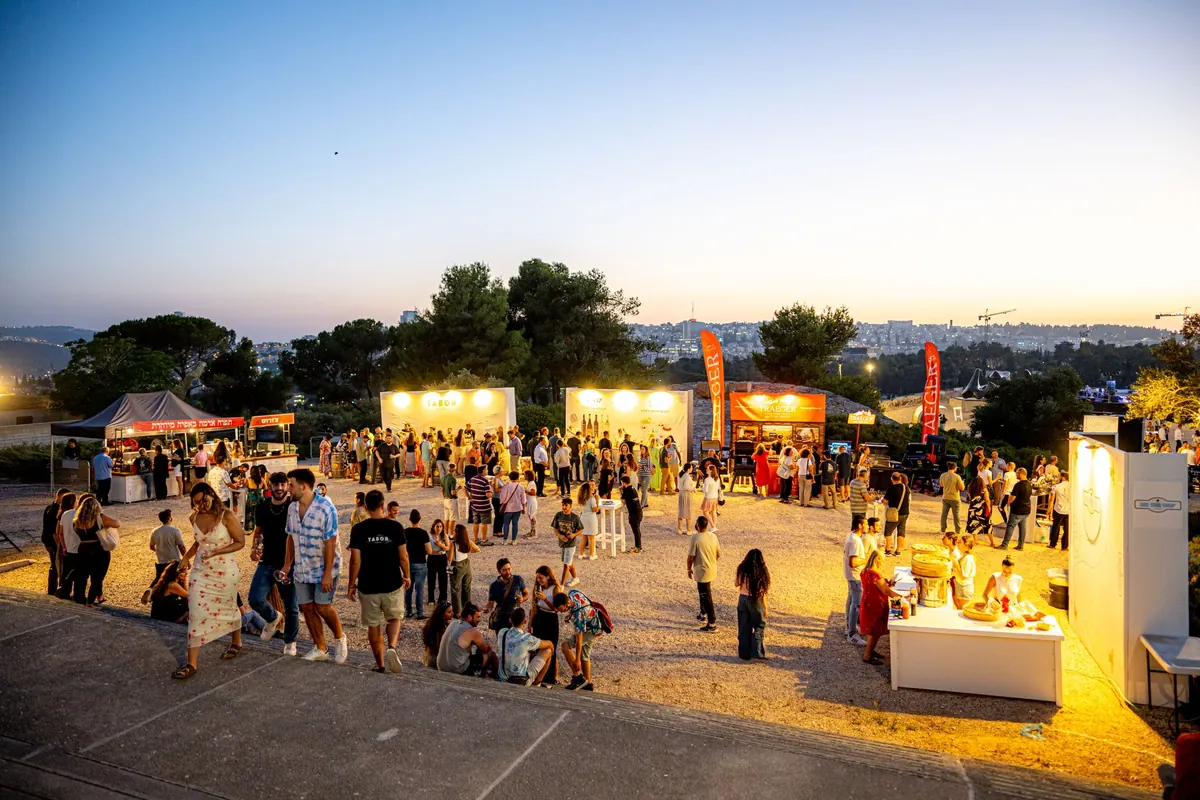
The first time you walk into a sagra, it can feel like arriving at a family party where everyone else already knows the rules. Long tables under a canopy, a handwritten menu taped to a post, a queue that moves in its own rhythm, and the smell of something frying behind a tent. Nobody hands you a program or explains where to start. That is fine. A few small pieces of know-how will carry you through the evening, and by your second sagra you will be the one telling a newcomer where to buy the tickets.
The word gets used loosely, but a real sagra is a local festival built around one thing: a dish, an ingredient, a harvest. Sagra del pesce. Sagra della polenta. Sagra del tortello. The menu is short on purpose. The whole point is that a group of neighbors has spent weeks preparing a great deal of one thing well, plus a handful of supporting dishes and a table of desserts.
Almost every sagra is run by volunteers: the parish, the Pro Loco, the local band, the parents' committee, sometimes the volunteer fire brigade. The money raised goes to something specific and usually unglamorous, such as the church roof, new instruments, or the school trip. That explains the mood. You are eating in someone's fundraising dining room, and the person ladling your beans has been on her feet since four o'clock. Expect paper plates, plastic cups, generous portions, and cakes that came from individual kitchens. Expect, too, that nobody is trying to impress you. That is the charm.
Most sagre open in the evening, often around seven, with some also serving lunch on Saturday and Sunday. The first hour is the sweet spot: the food is freshest, the volunteers are not yet tired, and you can actually find a seat. Between eight and nine on a Saturday, expect a queue that snakes past the church door and a hunt for a free bench.
If you have the choice, go on a weeknight. You will eat faster and talk to more locals. Friday and Saturday are for crowds; Sunday lunch is for extended families and is often quieter by two in the afternoon. Opening night tends to be packed with people who have waited a year for it, and the final evening can run out of the specialty early.
Many sagre are tied to a religious feast. If there is a Mass or a procession, food service frequently starts only after it finishes, so a seven o'clock start might mean seven-thirty or later. Nobody will announce this over a loudspeaker. Ask someone at the ticket table, or simply watch what the older men at the bar are doing.
This is the most common first-timer's disappointment. Volunteers cook a set amount, and when it is gone, it is gone. If you are travelling specifically for one dish, arrive close to opening rather than late, and do not treat a poster's closing time as a promise that everything is still available.
Systems vary from town to town, but the sequence is usually some version of this:
If the menu uses words you do not recognize, ask. "Che cosa consigliate?" is a perfectly good opening line, and volunteers generally enjoy explaining what their town is proud of. Words like gnocco fritto, crescentine, pici, or trippa mean very different things depending on where you are standing.
Seating is communal. You will be sitting shoulder to shoulder with strangers on long benches, and that is not an accident; it is how a piazza of three hundred people gets fed in an hour. Send one person from your group to hold the table while the others queue. Do not spread jackets over four empty places, and do not attempt to drag benches between tables to make room for your party.
Keep an eye on children, since volunteers move fast with trays of hot food. When you finish, stack your plates and cups and take them to the collection point or bin, usually near the exit of the eating area. Do not take the glasses or the trays home, even the nice ones. And if a stranger asks to share the end of your bench, the answer is yes.
Cash still rules at most sagre. Some stalls now accept cards, and some will point you to a card reader at the bar, but the connection can fail and the volunteer at the dessert table may simply not have one. Draw enough cash before you arrive, since the nearest ATM may be a fifteen-minute walk and empty by nine o'clock.
Smaller notes make everything faster. Bring coins for the raffle tickets, the tombola, the small dessert stand, and the donation box you will inevitably pass. Keep your wallet out of the way while you are eating; a crowded bench is not the place to leave a bag open. If a sagra uses a token system instead of tickets, buy a few extra tokens and hand back what you do not use at the end of the night.
A sagra happens where people live. Treat the surrounding streets as someone's front hall, because they are.
One last thing: the sagra is not only about the food. Walk a lap before you eat. Look at the stalls selling honey and secondhand books, the band tuning up, the children running between benches. That is the part people remember.
Check the dates on the poster or the town's page rather than assuming the festival runs all weekend. Bring cash in small notes, arrive near opening, and decide as a group who queues and who guards the table. Eat what the town is famous for, thank the people serving you, and take your plates to the bin on the way out. Do those things and you will be treated less like a visitor and more like a neighbor, which is the whole point of showing up.
Photo: Anat Landa / Pexels
Italy's daily heat bulletins come in four colours, and they quietly rearrange shop hours, work schedules...
A practical, room-by-room guide to sorting waste in an Italian apartment, reading your comune's collection...
Italy runs on two calendars: the national holidays that close banks and schools, and the local saint's day...