How Italy’s Heat Warnings Shape Daily Life: A Summer Explainer
Italy's daily heat bulletins come in four colours, and they quietly rearrange shop hours, work schedules...

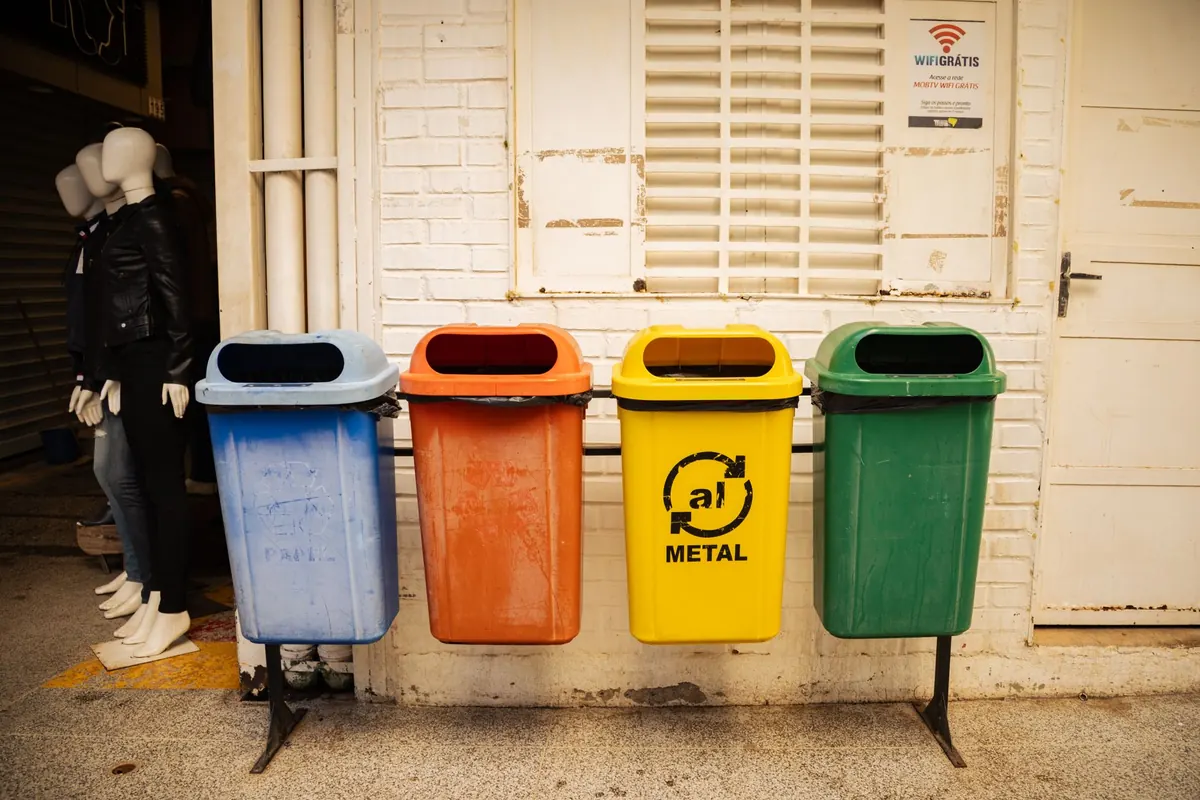
Somewhere around nine in the evening, the stairwell of an Italian apartment building starts to rustle. Doors open, bags appear, somebody mutters about the calendar, and by ten the kitchen bin is empty and the balcony is filling up with clean yogurt pots waiting for Tuesday. Recycling here is not a private virtue. It is a daily negotiation with your comune, your neighbours and the building's rubbish rota. Learn the local rules once and the whole thing takes four minutes a night. Ignore them and your bag comes back on the doormat with a sticker on it.
Waste collection in Italy is organised comune by comune, which is why advice from a friend in another city is often useless. The same street can have a different schedule from the one two blocks over, and a holiday week can move everything by a day or two. So the first practical step is not sorting, it is paperwork: find your ecocalendario, the collection calendar issued by the comune or the local waste company.
You will usually find it as a paper leaflet in your building's entrance, as a PDF on the comune website, or inside the waste company's app if there is one. Look for four things: which fractions are collected, on which days, at what times, and in which bags or bins. Many comuni run alternating weeks for the less frequent collections, so a calendar divided into "settimana A" and "settimana B" is normal. Photograph the relevant page and keep it on your phone, then stick the paper copy inside a kitchen cupboard door where you will actually see it.
Check too whether your building has street containers or door-to-door collection. With porta a porta, putting the bag out at the wrong hour is the single most common reason for a fine, and the rules about which bag is allowed — often a specific colour or a supplied sacco conforme — are strict.
Almost everything that confuses people comes out of the kitchen. Three bins under the sink cover most households; add a fourth if your comune collects glass separately.
Food scraps, coffee grounds, teabags, eggshells, fruit and vegetable peel, bones and small quantities of soiled paper — but only if your comune accepts paper in the organico, which many do and some do not. Use a compostable liner, not a plastic one, and never a "biodegradable" bag that the collection rules do not recognise. If you are unsure, put the scraps loose in a small container and rinse it out.
Italian plastic collection is mostly about imballaggi — packaging — not plastic objects in general. Bottles, tubs, trays, film, pouches and bags go in. A broken plastic hanger, a bucket or a toy does not. Rinse containers so they do not smell, but there is no need to scrub them; a quick swill is enough. Squash bottles and cartons flat to save space.
Bathroom waste looks harmless and causes a lot of contamination. Plastic bottles from shampoo and shower gel are packaging, so they go with plastic once emptied. Toothpaste tubes are usually residual waste. Toothbrushes, razors, cotton buds, floss and make-up wipes go in the residual bin, never in organico and never down the toilet.
Blister packs from medicines are a classic mistake: the plastic-and-foil strip is not recyclable packaging, so it goes in the residual bin. Expired medicines themselves are a separate matter, and many comuni provide dedicated containers at pharmacies or at the collection centre — ask locally rather than tipping them into the bin. Cotton wool and used tissues go in the residual bag; the paper recycling stream wants clean paper and card, not the contents of your bathroom cabinet.
Paper and cardboard are the easiest stream to ruin. Flatten boxes, remove excessive tape where you can, and keep out anything greasy, wet or dirty. Envelopes with plastic windows are accepted in most places; receipts printed on shiny thermal paper are not paper recycling in many comuni and belong in the residual bag.
Textiles deserve their own bag. Clothes and shoes in wearable condition go to the charity bins or the parish collection, not into the mixed waste; worn-out fabric goes to the collection point if your comune accepts it. Anything with a plug, a battery or a screen is electronic waste: small appliances, chargers, cables, phones, kettles, remote controls. These go to the centro di raccolta or to a shop that takes back old appliances, and batteries go into the small dedicated containers you will often find at supermarkets and tobacconists.
Furniture, mattresses, broken bicycles, large garden waste and building debris do not go in any household bin. Most comuni offer a free or low-cost pickup by appointment through the waste company, and almost all have a centro di raccolta where residents can deliver sorted material themselves. Book the pickup a week or two ahead, because slots fill up, and never leave a sofa on the pavement in the hope that someone will take it. If you rent, ask the landlord or the building administrator where the nearest collection point is and what the access rules are.
Set up the kitchen so the right bin is always within reach: organico nearest the chopping board, plastic and paper in a drawer or a slim stack of containers, residual waste under the sink. Keep a small bowl on the counter for scraps during cooking so you are not opening cupboards with wet hands. Rinse packaging as you wash up, not later. Once a week, check the calendar and move anything waiting on the balcony into the right bag for the right morning.
It sounds fussy. In practice it becomes invisible within a fortnight, and it earns you something better than virtue: neighbours who nod at you in the stairwell instead of leaving your bag back at the door with a note on it.
Photo: Guilherme Pedrosa / Pexels
Italy's daily heat bulletins come in four colours, and they quietly rearrange shop hours, work schedules...
Italy runs on two calendars: the national holidays that close banks and schools, and the local saint's day...
A practical first-timer’s guide to Italian neighborhood sagre: when to arrive, how the food lines and...