How Italy’s Heat Warnings Shape Daily Life: A Summer Explainer
Italy's daily heat bulletins come in four colours, and they quietly rearrange shop hours, work schedules...

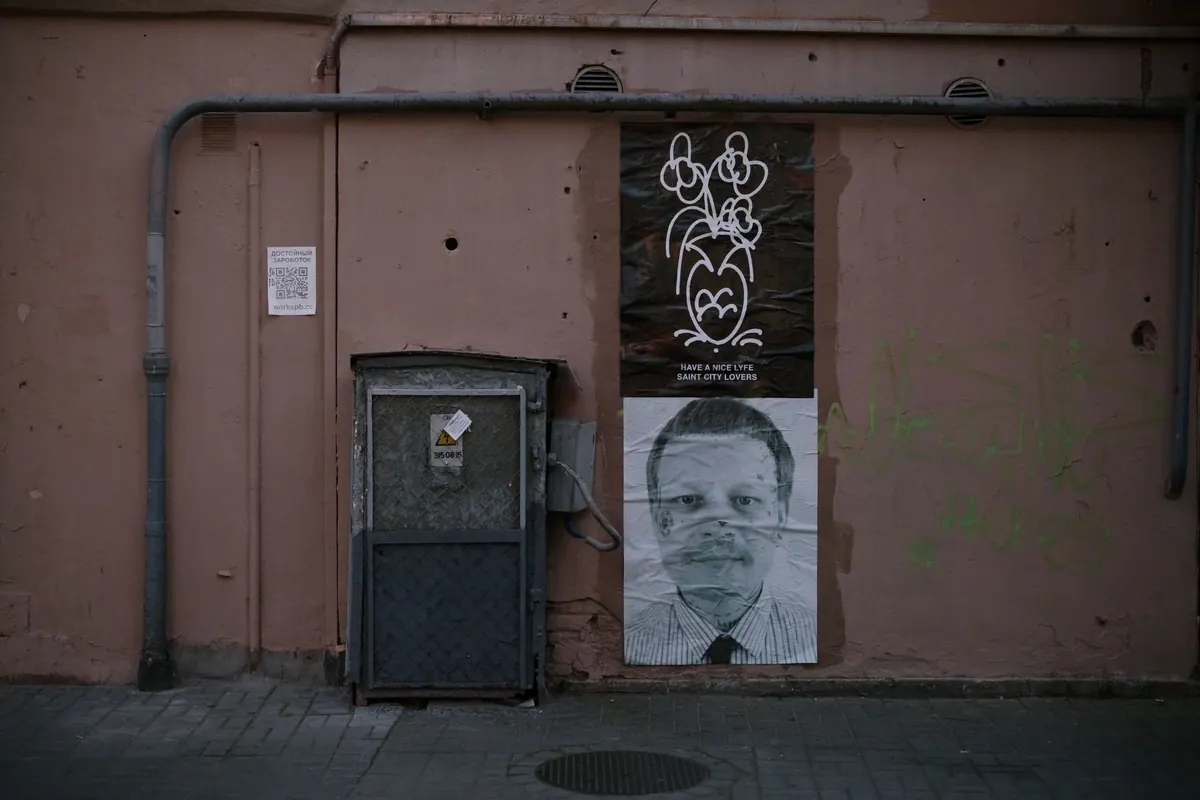
You see it taped inside a bar window: a single sheet of A4, red block capitals, three phone numbers along the bottom. You can tell something is happening on Saturday. What you cannot tell is whether it starts at seven or nine, whether it is in the piazza or the hall behind the church, and whether you need to book. Italian event posters are built for people who already know the context. With a bit of practice, you can supply that context yourself in under two minutes.
Local posters follow a hierarchy, and the biggest text is not always the most useful. The name of the event usually comes first, because that is what the organiser is proud of. The date and time come second, in bold but smaller type. The place sits underneath, sometimes abbreviated almost to nothing. Practical details — price, booking, rain plan, contact number — are crammed into the bottom strip in the smallest font on the sheet.
So start at the top to get the flavour, then jump straight to the bottom strip, then work back up. If the event name is something like "Festa della Birra" and the bottom says "ingresso libero", you already know the shape of the evening. The decorative part matters less than the four lines of admin.
Italy writes dates as day, month, year. A poster saying 14/06 means 14 June, not 6 July. This catches out visitors constantly, especially on handwritten notices where the format is not obvious. If a date is ambiguous and you have a phone number, use it.
Written dates are usually friendlier: sabato 14 giugno, with the day of the week spelled out. Learn the abbreviations and you will read any poster in the country: gen, feb, mar, apr, mag, giu, lug, ago, set, ott, nov, dic. Watch giu and lug in particular — June and July look almost identical in a narrow font, and a whole holiday can hang on that single letter.
Italians use an ordinal almost only for the first day: 1° giugno or primo giugno. Every other day is a plain number. You will also see ranges such as dal 12 al 15 giugno for a sagra or a market, which means it runs every day in between, not just on the two dates named.
Then check the year. Posters stay up long after the event, and a flyer for last summer's concert can still be sitting behind glass in October. If there is no year at all, treat the date as suspect until you confirm it elsewhere. A poster advertising "edizione 2024" in a window in 2025 is simply old paper.
Italy runs on the 24-hour clock for anything official, and posters mix formats freely: ore 21:30, ore 21.30, h 21.30, sometimes just 21,30. All of these mean half past nine at night. A comma where you expect a colon is a printer's habit, not a typo.
Beware of posters with two times. Dalle 19:00 usually means the food stand, bar or market opens then; the concert itself might be listed separately as concerto ore 21:30. Phrases like a seguire (to follow) and dopo il concerto tell you something starts later than the headline act, with no fixed hour. And ingresso dalle 20:00 means doors, not curtain.
One more habit worth knowing: Italian social life starts late. An event billed at 21:30 will rarely begin on the stroke, and a festa advertised from 19:00 may only come alive an hour later. Arriving early is not rude, but you may be standing alone with the sound engineer.
Location lines are where posters get cryptic, because they assume local knowledge. Piazza is a square, piazzale a larger open area, largo a small widening in the street, viale a broad avenue and vicolo an alley. You will often see c/o (care of) before a venue, angolo via… for "at the corner of", and s.n.c. for a building with no street number.
Other names carry information about what kind of evening to expect. A circolo or casa del popolo is a members' club: cheap drinks, long tables, sometimes a small membership card required at the door. A pro loco is the local tourism association and usually means a well-organised, family-friendly event. Sala polivalente, centro civico and auditorium are indoor halls; parco, giardini pubblici and villa mean outdoor space with no shelter. Reused buildings — ex cinema, ex mattatoio, mercato coperto — are exactly what they say, and often the most interesting venues on the poster.
This is the part worth photographing before you walk away. A handful of phrases carry all the practical risk:
If mobility matters to you, note that posters almost never mention step-free access. Call ahead rather than assume, especially for church halls and older circoli.
Most of the errors you will meet are human ones: a venue changed after printing, a time moved, a date swapped. A few habits protect you. Compare the printed poster with the same event on the town's notice board or the organiser's page and see which looks more recent. Look for tape over tape, handwritten corrections or a second sheet stapled on top — those are updates, not decoration. If the poster gives a phone number, a single call settles everything, and organisers are usually pleased that somebody read it carefully.
Also note where you found it. A poster in the edicola, the pharmacy window or the municipal board is more likely to be current than one deep in a bar window, where paper can hang around for months. The best sources are the places people actually pass daily: the bakery, the market, the bus stop, the sports club noticeboard.
Put the poster through this sequence and you will rarely get it wrong:
Do this once and the next poster on the bar window stops being a puzzle. You will read it the way the locals do: event, date, time, place, and then the small print that decides whether you need a reservation, a coat, or a five-euro note for the donation bucket.
Photo: cottonbro studio / Pexels
Italy's daily heat bulletins come in four colours, and they quietly rearrange shop hours, work schedules...
A practical, room-by-room guide to sorting waste in an Italian apartment, reading your comune's collection...
Italy runs on two calendars: the national holidays that close banks and schools, and the local saint's day...