How Italy’s Heat Warnings Shape Daily Life: A Summer Explainer
Italy's daily heat bulletins come in four colours, and they quietly rearrange shop hours, work schedules...

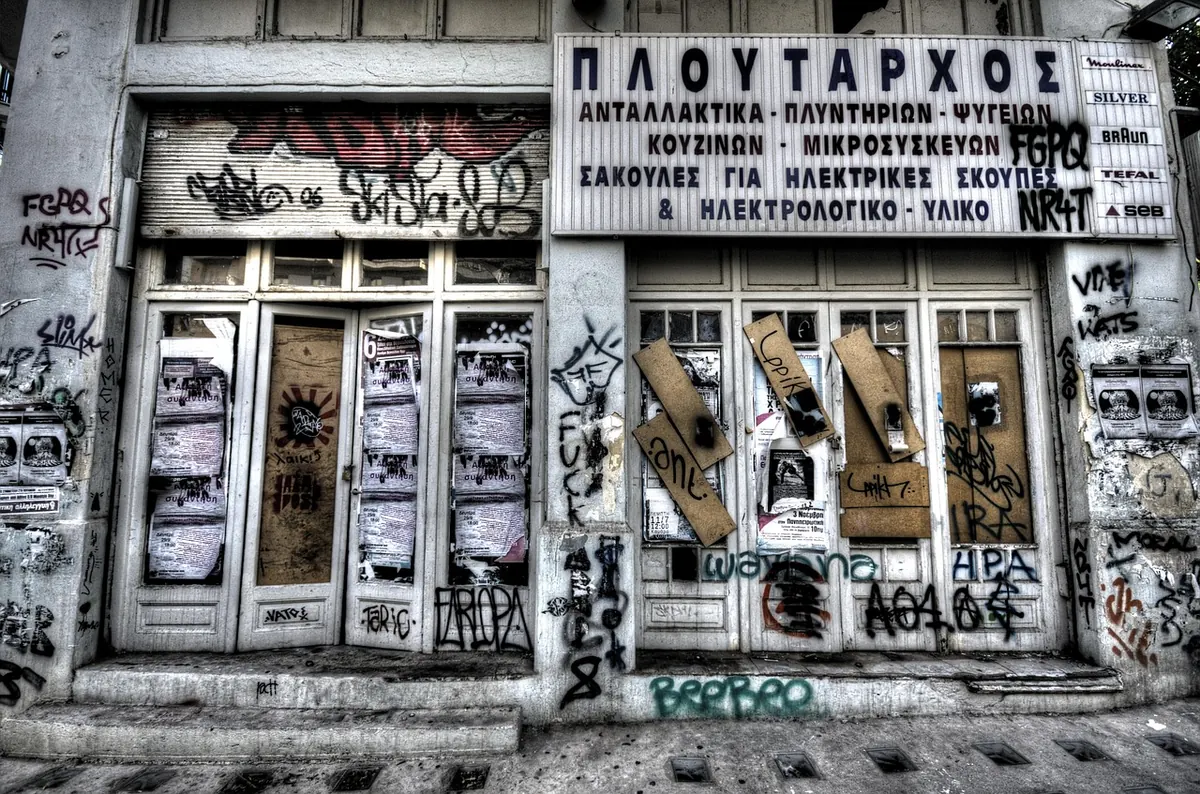
Say you have one free morning and three errands: a stamp from the tabaccheria, a document at the comune, a haircut. In one town the town hall is dark, the post office is shuttered and the bar is doing a busy trade. Twenty kilometres away, the same morning runs exactly as planned. Nothing has gone wrong. You have simply stepped into the space between two calendars that run side by side all year: the national one, shared from Bolzano to Siracusa, and the local one, which belongs to a single town, sometimes a single parish.
Knowing which is which turns a wasted morning into a five-minute check.
The national calendar is set by law and it is short — roughly a dozen dates, identical across the country. These close the machinery of the state: ministries, municipal offices, banks, post offices, schools, universities. On these days nothing gets stamped, signed or registered, and no amount of polite persistence at a counter will change that.
The local calendar belongs to the comune. Nearly every Italian town has a patron saint, and the feast day is often a civic holiday there: offices and schools close, sometimes shops too. It is not a national holiday, and it is not observed twenty kilometres down the road. This is the detail that catches visitors and, frankly, plenty of Italians who have recently moved.
A third layer sits on top: processions, religious feasts and sagre, which close almost nothing official but rearrange the day entirely — traffic, parking, noise, restaurant tables.
The national dates are worth memorising, or at least keeping on your phone:
The reliable closures are the public ones: post offices, banks, municipal and ministry offices, schools, and anything that needs a signature, a protocol number or a revenue stamp. Courts and registry offices are effectively out of reach.
The private sector reads the same day differently. Bars, restaurants, supermarkets and most shops treat a holiday as a trading opportunity, especially in city centres and anywhere tourists gather. In residential suburbs the pattern is patchier: the bakery may shut while the supermarket opens on reduced hours. Public transport runs an orario festivo — fewer buses, a Sunday metro timetable, thinner regional trains — but trains and flights still operate. Big stations and airports are busier, not quieter.
Pharmacies work a rotation, the turno, with the schedule posted on the door or published by the local health authority. Photograph the notice on an ordinary day, before you need it at eleven at night. Museums keep their own habits and their own weekly closing day, so check the individual site rather than assuming; 25 December is the one date when almost everything, public and private, goes quiet.
Ask anyone in Milan about 7 December and they will talk about Sant'Ambrogio. Bologna belongs to San Petronio on 4 October, and Florence, Turin and Genoa all stop for San Giovanni on 24 June. Rome takes 29 June for Santi Pietro e Paolo. Naples devotes 19 September to San Gennaro with a devotion that visibly changes the city, though whether your particular errand runs that day depends on which office you need.
The exact rules vary from comune to comune, so verify rather than assume. Three quick sources: the town hall's own website, which usually lists opening hours and closures; the notice board outside the town hall, still surprisingly reliable; and the parish, which knows the programme weeks in advance. A phone call to the office you actually need settles it in two minutes.
On the day itself, expect municipal offices and schools to be shut, buses to run normally, and shops to stay open — often busier than usual, because the evening brings a procession, market stalls and fireworks. In small towns the centre may close to traffic from mid-afternoon. If you live nearby, that is the evening to move the car early.
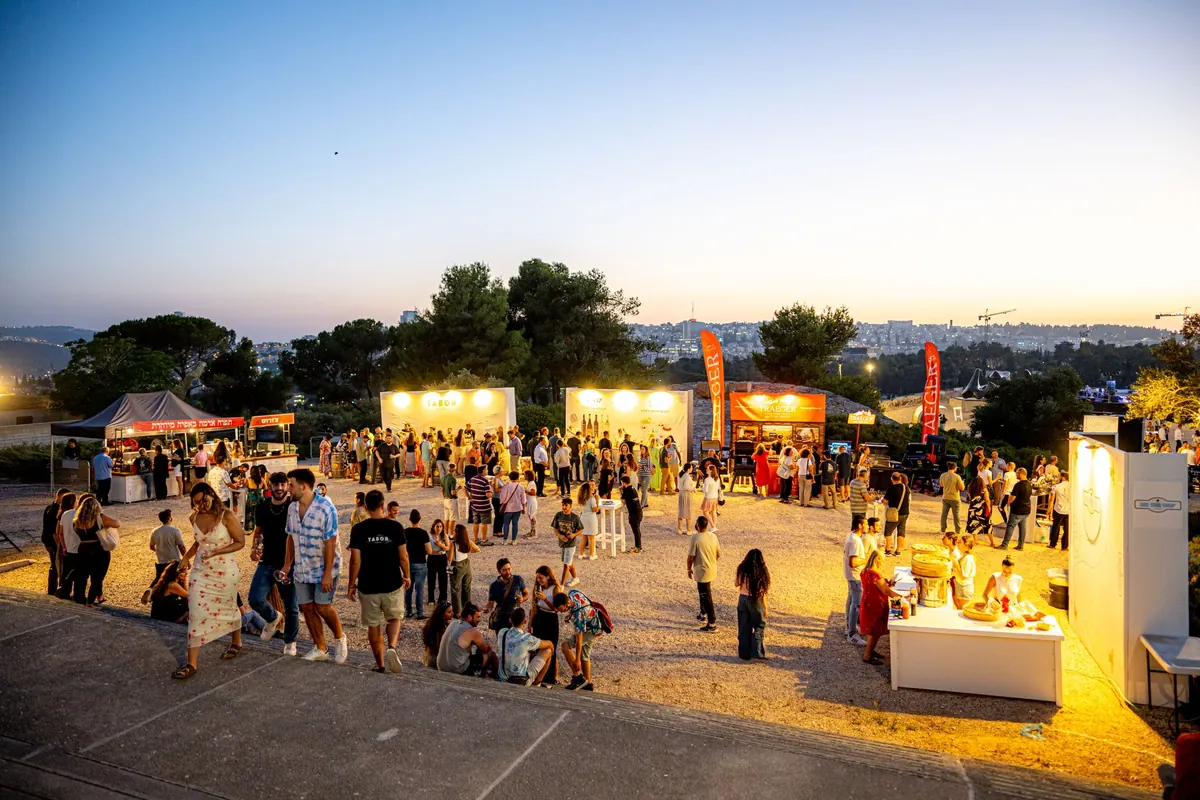
A sagra is a local food festival, usually held in a piazza or a field, usually from early evening. It closes no offices and stops no trains, but it does rewrite the map for a week: streets closed, parking gone, buses rerouted, the one-way system reversed.
Two practical habits help. First, read the manifesti — the posters pasted on walls and in shop windows — and the comune's social pages, which normally publish the traffic order with the actual street closures and times. Second, book restaurant tables in advance during festival weeks: the good places fill with people from three towns away, while the place you assumed would be quiet is hosting a private party.
When a holiday falls on a Tuesday or a Thursday, many Italians take the Monday or Friday as well, making a ponte, a bridge. The office is nominally open. The person who signs your document is not. If a deadline matters, go earlier in the week rather than later, and never count on a decision from a public office on the days touching a holiday.
August is its own season. Around Ferragosto on 15 August, family-run businesses close for one, two, sometimes three weeks — bakeries, butchers, mechanics, small shops, some restaurants — with a handwritten chiuso per ferie sign on the shutter. Neighbourhoods empty, the coast fills, and city-centre restaurants sometimes close exactly when visitors arrive. Buy what you need before the middle of the month and check opening hours before crossing town for a specific shop.
If a deadline carries legal or financial consequences, confirm with the office or a qualified adviser instead of assuming a holiday buys you extra time.
Public things close nationally; private things mostly stay open. Your town's saint's day closes your town and nowhere else. Ferragosto is the wild card that empties cities and fills coasts.
Check the date, check the comune,
Photo: ClickerHappy / Pixabay
Italy's daily heat bulletins come in four colours, and they quietly rearrange shop hours, work schedules...
A practical, room-by-room guide to sorting waste in an Italian apartment, reading your comune's collection...
A practical first-timer’s guide to Italian neighborhood sagre: when to arrive, how the food lines and...