How Italy’s Heat Warnings Shape Daily Life: A Summer Explainer
Italy's daily heat bulletins come in four colours, and they quietly rearrange shop hours, work schedules...

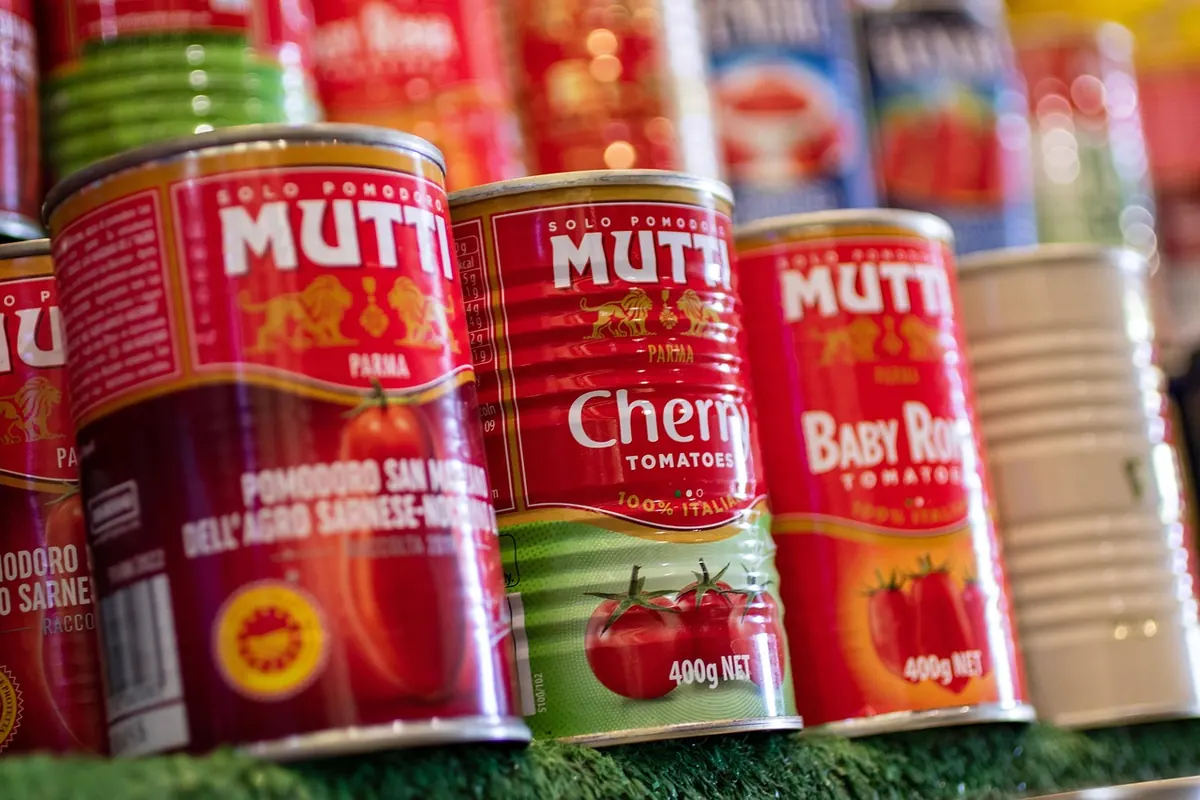
The shelf in front of you holds three bags of spaghetti that look almost identical. One says integrale, one says bio, and a third promises senza glutine. They cook differently, they cost different amounts, and only one of them is right for tonight. Italian packaging is full of these small, confident words, and most of us read them as health promises rather than descriptions. They are usually neither. They are technical terms with rules behind them, and once you know what each one is allowed to mean, the aisle becomes much easier to read.
Nutrition and health claims on European packaging are regulated, and a claim has to be true and substantiated. But a lot of what shouts at you from the front of a box is not a health claim at all: it is a description of an ingredient or a production method. That distinction matters, because "contains fibre" and "made with wholemeal flour" are two very different statements.
The back of the pack is where the facts live. Ingredients are listed in descending order by weight, so the first three entries tell you most of what you need to know. Next to that sits the nutrition table, which is almost always given per 100 g. Train yourself to compare that column and not the per-portion one; portions on the label are rarely your portions.
Senza means without, and it is the most overworked word in the Italian supermarket. Some of these claims are strict and meaningful; others are decoration.
Here is the useful habit: when a package promises the absence of something, ask whether that ingredient was ever likely to be in this product. "Senza coloranti" on a bag of plain flour is technically true and completely meaningless. And when something is removed, something usually goes in its place — extra salt, fat or sweetener. Compare the two versions per 100 g and the trade-off becomes visible.
A claim of absence tells you what isn't there. It never tells you what is.
Integrale means wholemeal: the grain is milled with bran and germ included instead of being stripped down to the white endosperm. You will see it on pasta, flour, bread, rice and biscuits, and it is one of the few words on the front that changes how a product behaves in the kitchen.
The catch is quantity. A bag of pasta labelled integrale should be made from whole durum wheat semolina throughout. A packet of biscuits "with wholemeal flour" might contain a modest percentage of it, with ordinary white flour doing the rest of the work. The front of the pack does not have to tell you which situation you are in; the ingredients list does.
Scan the ingredients for a number next to the flour: farina di grano tenero integrale 30% is honest and specific. Also watch for semi-integrale, which generally means partly wholemeal, and for rice labelled integrale or semigreggio, where the bran layer is only partly removed.
Then check the fibre figure. A genuinely wholemeal pasta or bread will sit several grams higher per 100 g than the white version, and that difference is the real reason to buy it. What integrale does not mean is fewer calories — the energy is broadly similar, and some wholemeal biscuits are as sweet as any other. As for cooking, wholemeal pasta needs an extra minute or two and rewards a sauce with some punch to it; a delicate cream sauce will disappear into the flavour of the bran.
Bio or biologico means organic, and it refers to how the food was produced: farming practices with tight restrictions on synthetic pesticides and fertilisers, rules on animal welfare, and no genetically modified organisms. For a processed product to carry the organic label, the great majority of its agricultural ingredients must be organic, and the pack has to name the certification body that inspects the producer.
That is your check. Look for the EU organic leaf logo and a control code on the back — something in the form IT-BIO-000 — along with the words da agricoltura biologica beside the organic ingredients. A brand name with "Bio" in it proves nothing on its own; plenty of companies use the word because it sounds wholesome, and it sits on the front in a cheerful green font while the back tells a different story.
One thing to keep straight: organic is about production, not nutrition. An organic biscuit is still a biscuit, with the same sugar and the same calories as its conventional cousin. Buy organic for the farming method, and judge the food itself by the nutrition table.
None of these words are lies. They are simply narrow: each one tells you a single thing precisely and everything else loosely. Read the back once, and the front stops being confusing.
Photo: Squirrel_photos / Pixabay
Italy's daily heat bulletins come in four colours, and they quietly rearrange shop hours, work schedules...
A practical, room-by-room guide to sorting waste in an Italian apartment, reading your comune's collection...
Italy runs on two calendars: the national holidays that close banks and schools, and the local saint's day...