How Italy’s Heat Warnings Shape Daily Life: A Summer Explainer
Italy's daily heat bulletins come in four colours, and they quietly rearrange shop hours, work schedules...

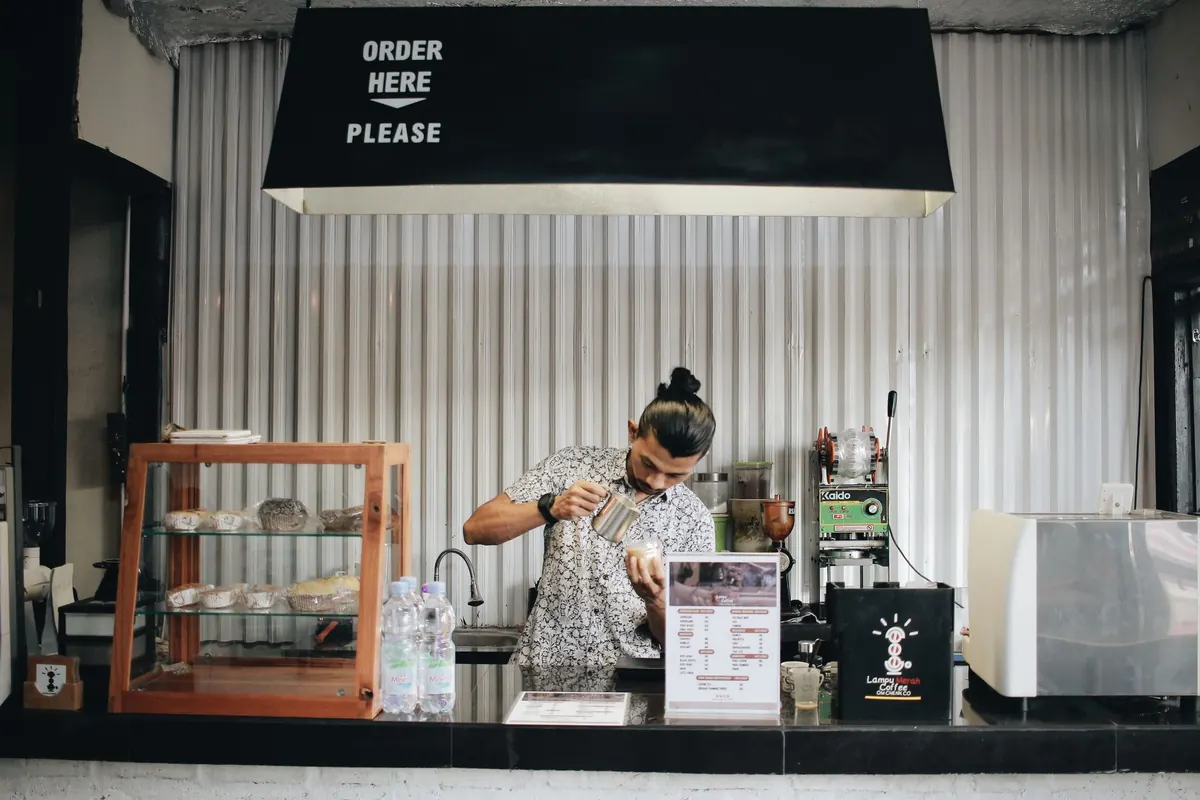
The first morning in an Italian bar can feel like walking into a conversation already in progress. Someone calls an order toward the machine, someone else waves a small receipt, and nobody appears to be queuing in any recognised way. There is no host, no menu on the counter, no obvious place to wait. It is not complicated, but it is a ritual with choreography. Learn five or six moves and you will drink better coffee, pay less, and occasionally get a nod from the barista that feels like membership.
Italian bars work on one of two systems, and the room tells you which one you have walked into within about ten seconds.
Look for the cassa — the till. If it sits near the door with two or three people lined up in front of it, holding small slips of paper, you are in a pay-first bar. If the till is at the far end of the counter and everyone is clustered around the espresso machine instead, you probably order first and pay afterwards.
The second clue is what people are holding. A receipt in the hand of someone waiting for coffee means the receipt came first. When in doubt, stand slightly back from the counter, catch the barista's eye, and ask: «Si paga prima?» — do I pay first? Nobody will think less of you. It is one sentence, and it solves the whole puzzle.
You queue at the till, say what you want, and pay. You get a scontrino, a small printed receipt. Do not fold it into your pocket and do not throw it away — this slip is your order. Take it to the counter, place it where the barista can see it, and repeat your order clearly. Keep the receipt until the coffee is in your hand; some bars ask to see it again.
You go straight to the counter, order, drink, and then pay at the till on your way out. Tell the person at the till what you had: «Un caffè e un cornetto.» If the bar is busy and you are not sure whether you have been noted, say your order to the barista first and keep an eye on who is keeping track. Regulars do this without thinking; you will too by the second morning.
Cards are widely accepted, but a few euros in coins still smooth the way in smaller bars and at the train station kiosk. Tipping is not expected. Rounding up, or leaving the small change on the counter with a «grazie», is generous and never wrong.
The single most useful thing to know is that un caffè means an espresso. Not a filter coffee, not a long milky drink. Small, dark, in a thick white cup, drunk in about ninety seconds.
One trap worth flagging: ordering «un latte» will get you a glass of milk. Say caffellatte or latte macchiato if you want coffee in it.
Short and clear beats elaborate and polite. «Un caffè, per favore» is perfect. «Mi fa un cappuccino?» is what you will hear around you — a slightly casual way of asking that lands well. If you want it in a glass rather than a cup, say «in vetro»; if you want it hot but not scalding, most baristas will understand «non troppo caldo».
At peak hours, the counter is less a queue than a scrum. Stand where you can be seen, hold your receipt or your coins up, say your order once, clearly, and let the barista work. The apparent jostling is efficiency, not rudeness.
At the counter — al banco — you pay the basic price. Sit down at a table and you pay more: the extra covers table service, and in some bars it is a modest supplement, in others a substantial one. This is not a tourist tax. Italians pay it too, when they choose to sit.
So the choice is simple and worth making deliberately. Standing at the counter is a two-minute pause: order, drink, exchange a word, leave. Sitting at a table is a different event — a long breakfast with a newspaper, a meeting, a break from the heat — and it costs accordingly. What you should not do is order at the counter, carry your cup to a table, and expect the counter price. Order where you intend to consume.
One more courtesy: during the morning rush, do not hold a spot at the counter after you have finished. Someone is waiting to do exactly what you just did.
The famous rule about cappuccino is a habit, not a law. Italians generally drink milk-heavy coffee in the morning, with breakfast, and switch to espresso after meals. Order a cappuccino at four in the afternoon and you will not be refused; you may get a faintly amused look. Order one after a long dinner and you will get a slightly stronger version of that look.
Nobody is grading you. But if you want to feel the rhythm of the place, keep milky coffee for breakfast, take your espresso standing after lunch, and try un caffè d'orzo in the evening when you want the ritual without the caffeine.
Greet on entering. «Buongiorno» said to the room, not just to the barista, is normal and expected. Say «grazie, arrivederci» on the way out. Put your receipt down rather than thrusting it at anyone. Drink your water if it comes. And if you see a small notice offering a caffè sospeso — a coffee already paid for by someone else, waiting for whoever needs it — know that it is an old and quietly generous Neapolitan custom, and that adding one is a fine thing to do.
Here is the whole thing, compressed:
Do that once and the second time is easy. By the third morning the barista will have your order half-made before you finish saying it, and you will understand why Italians treat the bar counter as a small piece of daily civic life rather than a place to grab a drink.
Photo: Padli Pradana / Pexels
Italy's daily heat bulletins come in four colours, and they quietly rearrange shop hours, work schedules...
A practical, room-by-room guide to sorting waste in an Italian apartment, reading your comune's collection...
Italy runs on two calendars: the national holidays that close banks and schools, and the local saint's day...