How Italy’s Heat Warnings Shape Daily Life: A Summer Explainer
Italy's daily heat bulletins come in four colours, and they quietly rearrange shop hours, work schedules...

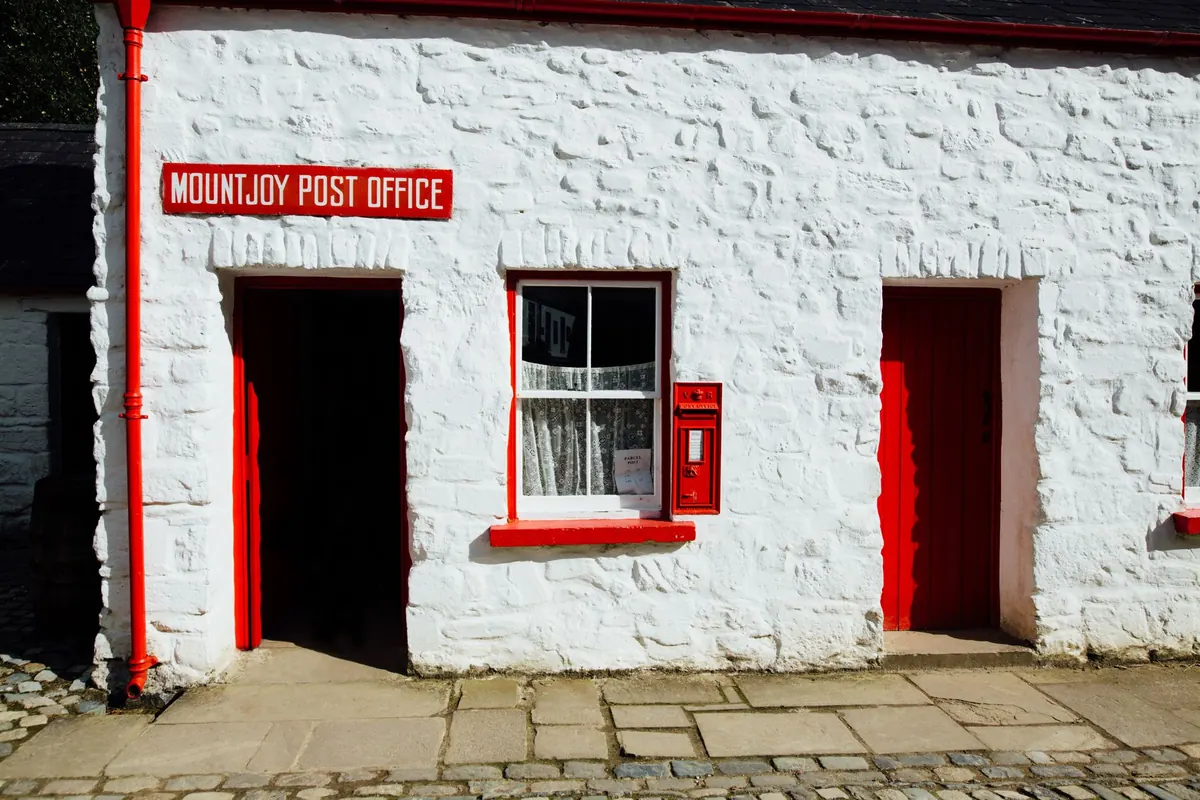
A Tuesday morning in a mid-sized Italian town. Nine people are standing in a room that smells of paper and floor polish, and nobody is standing in a line. A screen on the wall clicks, a recorded voice says a number, and someone rises from a plastic chair as if summoned at a doctor's surgery. If you have ever stood in that room holding a parcel, a photocopy of your passport and a growing sense of embarrassment, this is for you. Italian post offices are orderly. Just not in the way most visitors expect.
There is no queue in the British or American sense. There is a touchscreen kiosk near the entrance, usually called il totem, and a screen above the counters. You take a ticket, you sit down, and you wait for your number. Skip the kiosk and you will stand at the back looking hopeful until an operator or a kind stranger points at it.
The part that catches people out is the menu. The screen offers several categories, all in Italian: ordinary postal services, financial and account services, parcels, appointments and advice. Each one feeds a different queue, and some counters handle only certain operations. Choose the category for paying a bill when you actually need help with a BancoPosta account, and you may wait twenty minutes only to be sent back for a new ticket. Read the labels twice. If you are unsure, ask the person behind you, or ask at the counter before taking a number.
Once you have the ticket, keep it in your hand. Numbers appear on the screen with the counter number beside them, and the announcement is fast and synthetic. Watch for your number rather than relying on your ears. In most offices, one ticket covers one operation, so if you have three errands, mention them together at the counter and be ready to take another ticket for anything left over. If you miss your turn, you generally start again.
Italian counter staff are efficient and, given a busy room, they will ask for documents before you have finished explaining. Having them ready is the difference between four minutes and fifteen.
Do not sign forms at home out of helpfulness. Several documents must be signed in front of the operator, and a pre-signed form can mean starting over. Use the pens chained to the desk, write in block capitals, and double-check the postcode. If you are sending a raccomandata, decide at the counter whether you want the basic version or the one with proof of delivery, and say so before the label is printed.
Give people space. Italians queue at a distance and step forward only when called, and hovering behind someone's shoulder reads as impatient rather than keen. When your number appears, go straight to the counter shown on screen, say buongiorno, and put your document down before you start talking. The object usually explains the errand faster than your Italian can.
Operators are brisk, not unfriendly. A short exchange is normal; a long chat is not, especially at peak times. A few phrases carry you a long way:
Before you step away, check the receipt. Confirm the destination, the service and the tracking code, and photograph the receipt. If a parcel goes missing, that slip is the only thing that gets a search started.
Smaller offices often open only in the morning and close in the early afternoon. Larger ones stay open into the evening, and some shut for lunch while others do not. Many stop issuing tickets well before the official closing time, which is why arriving at 13:15 for a 13:30 close can leave you outside with nothing achieved.
Check the specific office on the Poste Italiane website or app rather than trusting the hours on the door, which are sometimes out of date after holidays. Note that the last working day before a public holiday is often chaos, and the days after one are not much better.
Some patterns repeat across the country. Avoid these if you can:
Mid-morning from Tuesday to Thursday is usually the calmest stretch, and mid-afternoon works well in offices that stay open late. Some services, particularly anything involving accounts, investments or mortgages, run by appointment, so book online and skip the room entirely.
If you were out when a courier came, you will find an avviso di giacenza in the letterbox. The slip tells you which office holds the item, how long it will stay, and what to bring. The holding period is usually about a month, but the date on the slip is the one that counts; after it passes, the parcel goes back to the sender.
Two mistakes are common here. The first is arriving at the wrong office: the slip names a specific branch, and a parcel held in a sorting hub may be somewhere you have never been. The second is a name mismatch. Bring the slip and an ID whose name matches the addressee, and be prepared to pay any import charges on parcels from outside the EU before you collect.
Not everything needs a ticket. Stamps for ordinary letters are sold at any tabaccheria. Many bills can be paid through home banking or the Poste Italiane app, which also tracks shipments, manages a PostePay card and books an appointment when you do need a person. The machines outside larger offices handle withdrawals and some routine transactions. Save the queue for things that genuinely require a person at a counter: registered mail, collections, identity services and anything that needs a signature and a stamp.
Before your next visit, do this:
Do this twice and the room stops feeling foreign. You will know where the kiosk is, which queue to join, and why the person beside you is sitting so calmly with a numbered slip in their hand. That, more than perfect Italian, is what makes an errand go smoothly here.
Photo: K / Pexels
Italy's daily heat bulletins come in four colours, and they quietly rearrange shop hours, work schedules...
A practical, room-by-room guide to sorting waste in an Italian apartment, reading your comune's collection...
Italy runs on two calendars: the national holidays that close banks and schools, and the local saint's day...